FAQ
Cost, timescale and what to look for on any quote you are given for drain cleaning work in Diamond Bar. Straight answers.
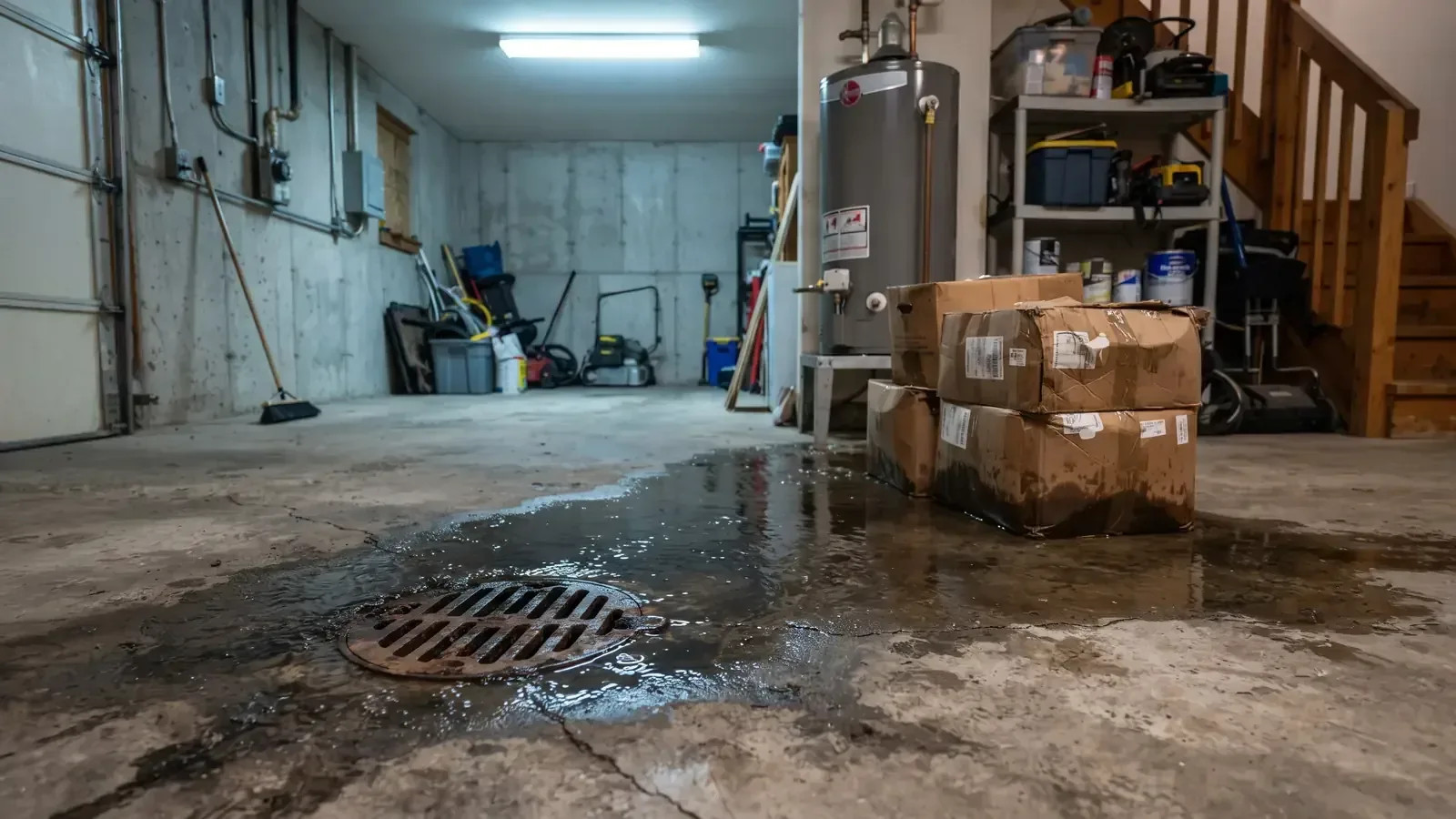
Cost, timing and what to ask
The eight questions that actually decide drain cleaning, answered with published numbers.
Why do plumbers say not to use drain cleaner?
Three reasons, and the third is the one nobody mentions. First, what is in it: the common products are sulfuric acid or sodium hydroxide — lye. Second, the reaction is exothermic, and heat inside a closed pipe softens PVC and the solvent-weld joints holding it together, while corroding older metal. Third, and most practically: when it does not clear the blockage — which is most of the time on anything worse than hair — it does not go anywhere. It sits on one spot above the clog, hot, until somebody opens the trap underneath it. That somebody is usually a plumber, which is why we ask what you poured down before we start.
Is drain cleaner actually bad for pipes?
Yes, and the mechanism is heat rather than corrosion alone. The reaction generates enough warmth inside a closed pipe to soften PVC and the glue at its joints; repeated use leaves the plastic brittle enough to crack. On cast iron and older galvanised it corrodes from the inside, which on a pipe already narrowed by scale is the last thing it needs. One use on a well-made line will probably not destroy anything. Using it every few months, which is what people do when it half-works, is a different matter.
What is the safest drain cleaner you can use?
The safest thing that actually works is not a cleaner at all — it is a plunger with the overflow blocked, or a hand snake past the trap. If you want a product, enzyme-based ones are the gentle option: they digest organic build-up slowly and will not harm pipes, but they are a monthly maintenance habit rather than a rescue for a drain that has already stopped. Anything advertised as working in fifteen minutes is working by chemistry and heat, and that is the category to avoid.
Does Dawn really unclog drains?
For grease, genuinely yes — and for nothing else. Dish soap with very hot tap water breaks down the fat film that coats a kitchen waste, which is the commonest kitchen blockage there is. It will do nothing whatsoever for hair, roots, scale or a dropped object. Two warnings: use hot tap water and not boiling, because PVC is rated well below boiling point and a kettle into a plastic waste is how a joint fails; and if it has not worked twice running, the build-up is further along than the method reaches.
How much does it cost to unclog a drain in California?
$100 to $275 for a standard drain. A simple sink or tub cleared with a hand snake is $75 to $175; a kitchen line furred with grease is $150 to $300; a main line snaked is $200 to $450 in Southern California, and hydro jetting a main is $350 to $800, reaching $1,500 where access is difficult. The single biggest variable is not the blockage — it is whether there is a reachable cleanout.
How to tell if your main drain line is clogged?
By which fixture misbehaves rather than how badly. If one fixture is blocked and everything else runs normally, it is that branch. If waste comes up through the LOWEST fixture in the building — a shower tray, a floor drain, the downstairs toilet — when you use something elsewhere, the main line is blocked and every fixture above it is feeding the problem. Other tells: a toilet that bubbles when the washing machine drains, or several fixtures slowing over the same few weeks. If it is the main, stop using water in the building.
How often should sewer drains be cleaned?
On sound modern pipe with nothing unusual going down it, never — you clean it when it gives you a reason. The interval only becomes real when there is a cause: a clay lateral with roots at a joint may want clearing every eighteen months to two years, and a line with a belly in it will set its own schedule regardless. If somebody is proposing annual cleaning on a line nobody has looked inside, the honest sequence is a camera first — because an interval is a symptom of a defect, and the defect may be worth fixing instead.
Is professional drain cleaning worth it?
It depends entirely on where the blockage is. In the first few feet — which covers most bathroom drains — a twenty-dollar hand snake does the same job, and we will tell you so on the phone rather than take the call-out. Beyond that, a cable or a jet reaches distances no household tool will, and a camera answers the question that stops you paying repeatedly. The place it is definitely not worth it is as a substitute for finding the cause: clearing a line with a belly in it is buying the same afternoon again next year.
The prices, in one place
Estimated ranges for Los Angeles County, and a written quote once the job is seen.
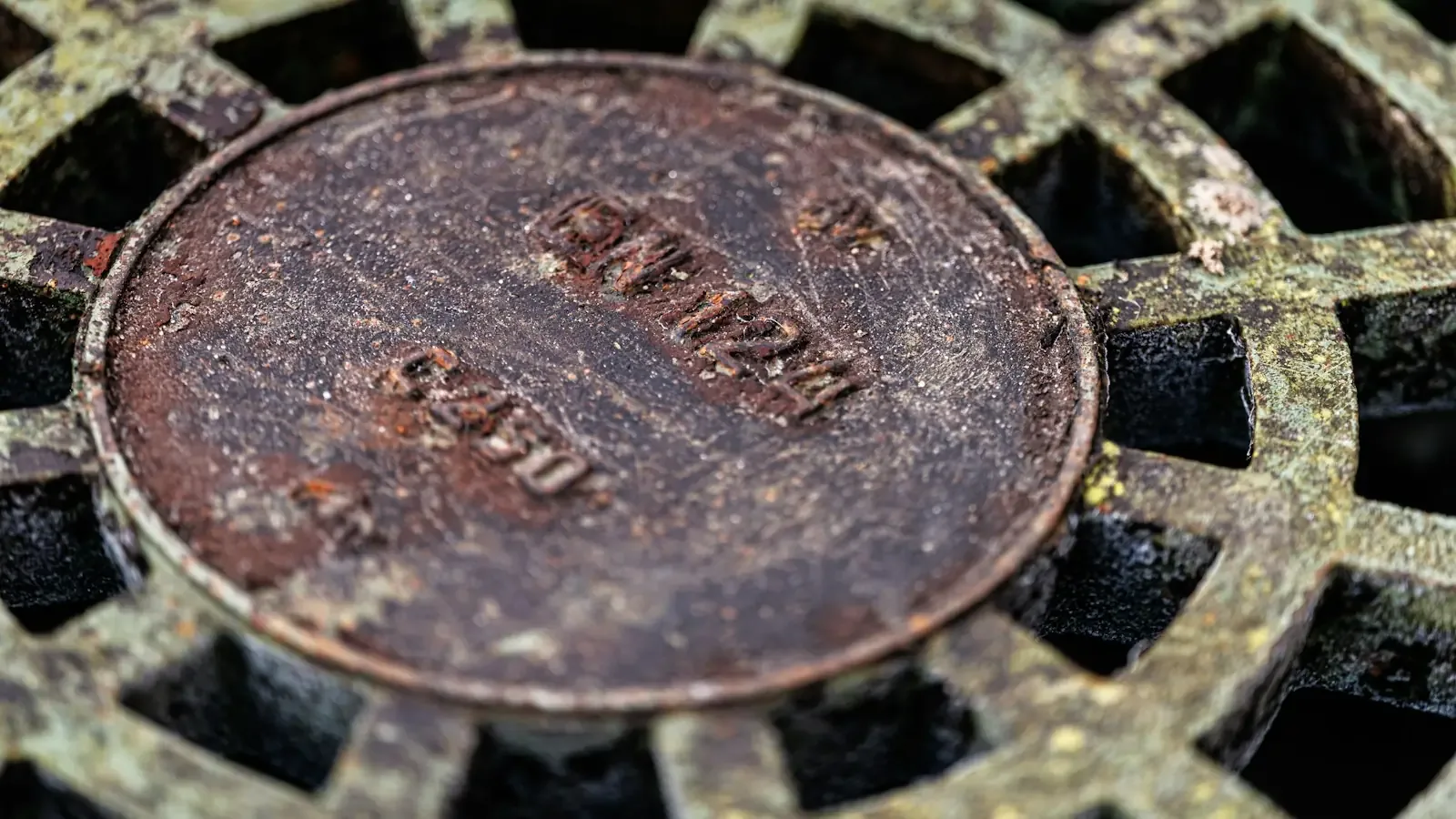 01
01Drain Cleaning - $100 - $275
Simple sink or tub $75-175.
See the job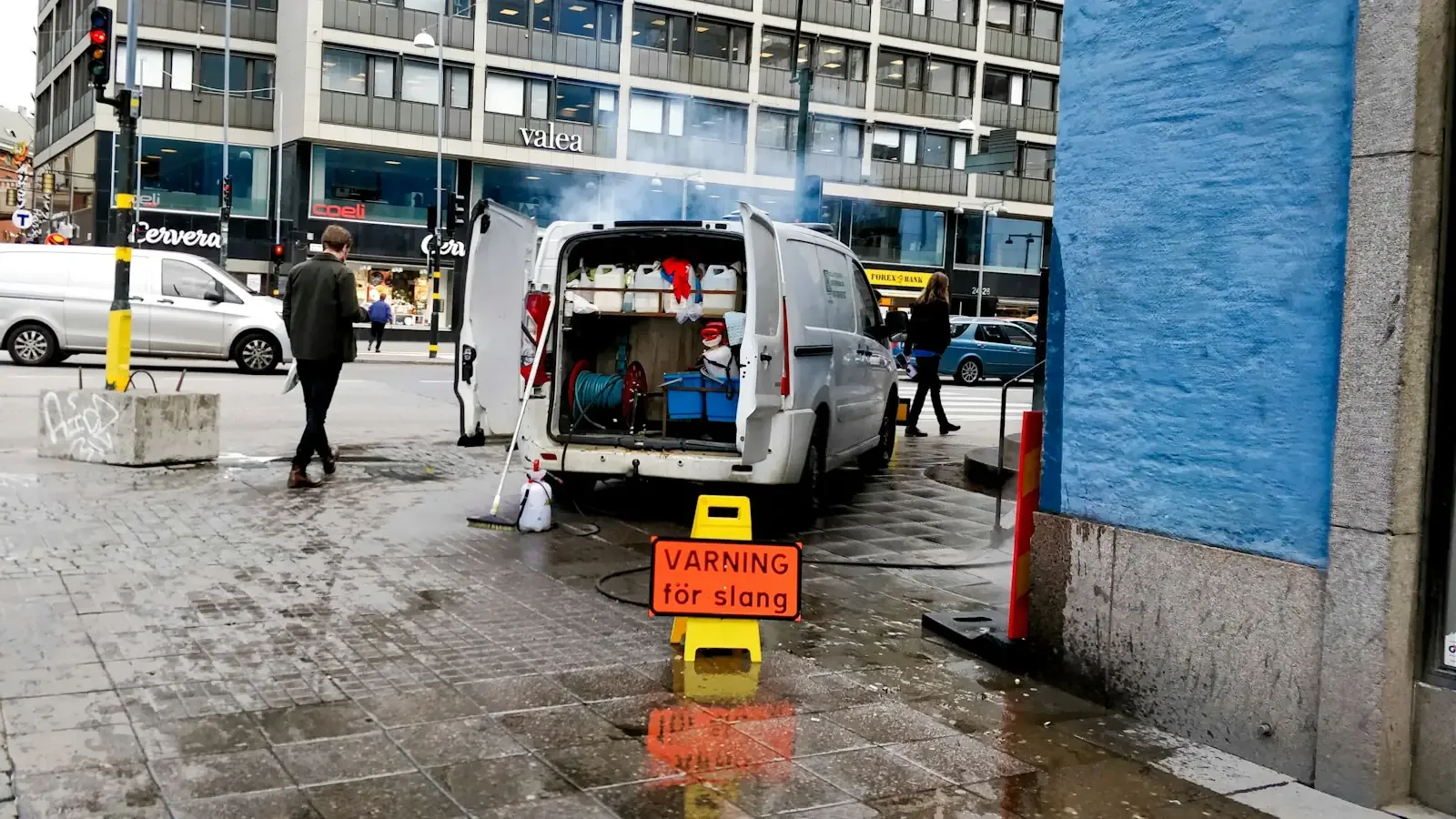 02
02Main Line Drain Cleaning - $200 - $450 snaked
Jetting $350-800 on a main.
See the job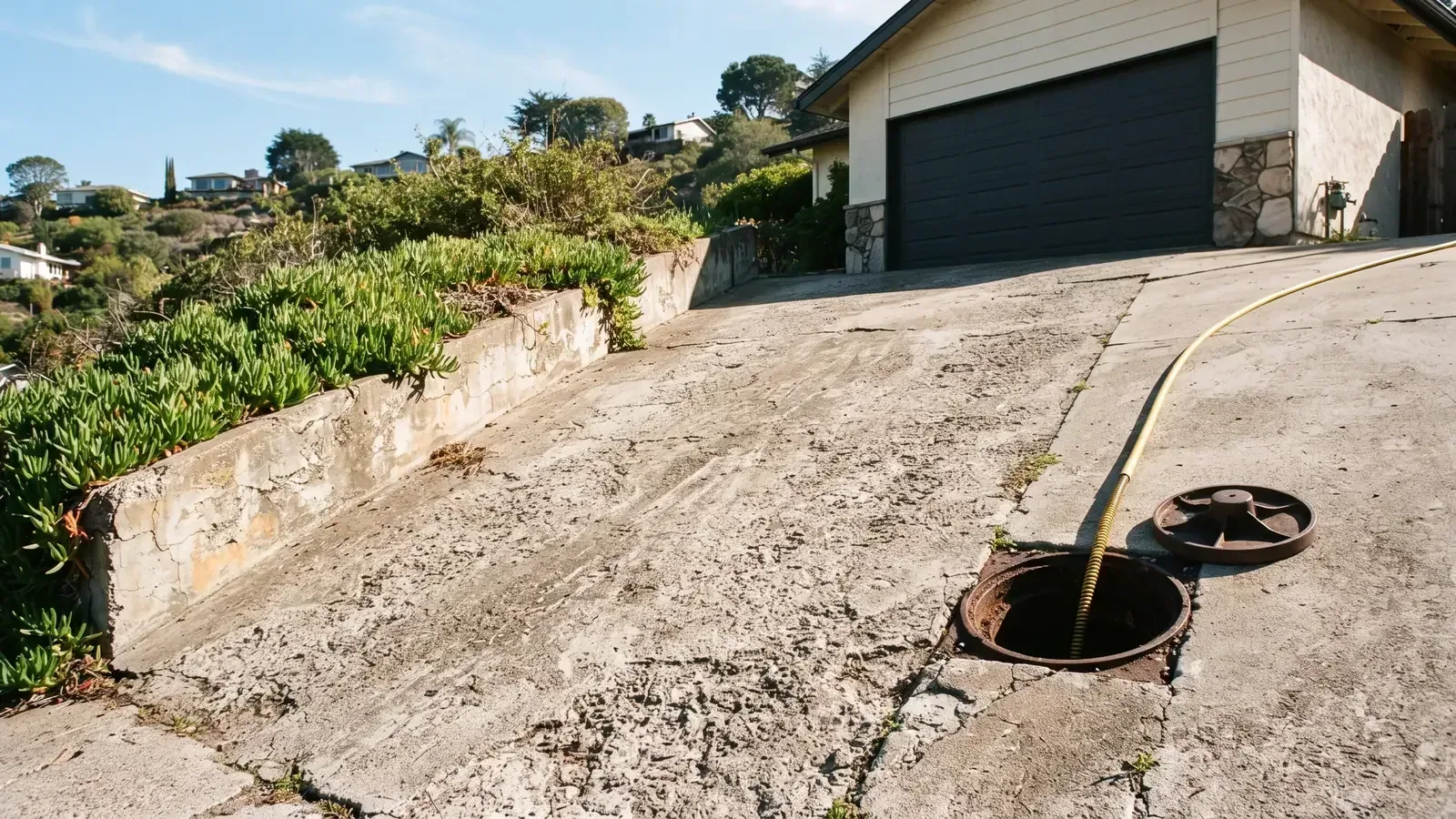 03
03Emergency Drain Cleaning - $150 - $500
Most of these can wait, honestly.
See the job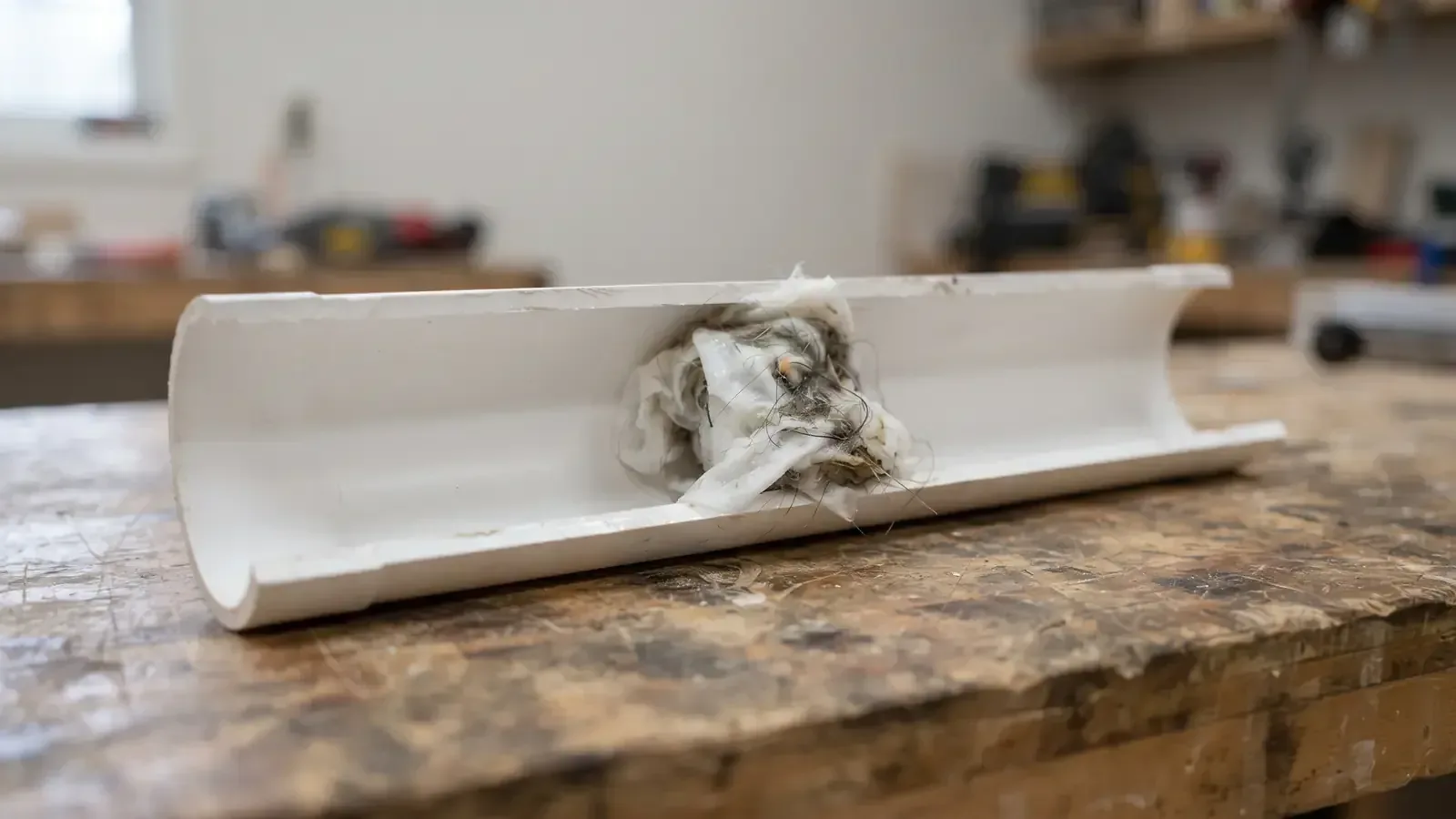 04
04Kitchen Drain Cleaning - $150 - $300
The free method is worth trying first.
See the job 05
05Shower Drain Cleaning - $75 - $175
A hand snake is about $20.
See the job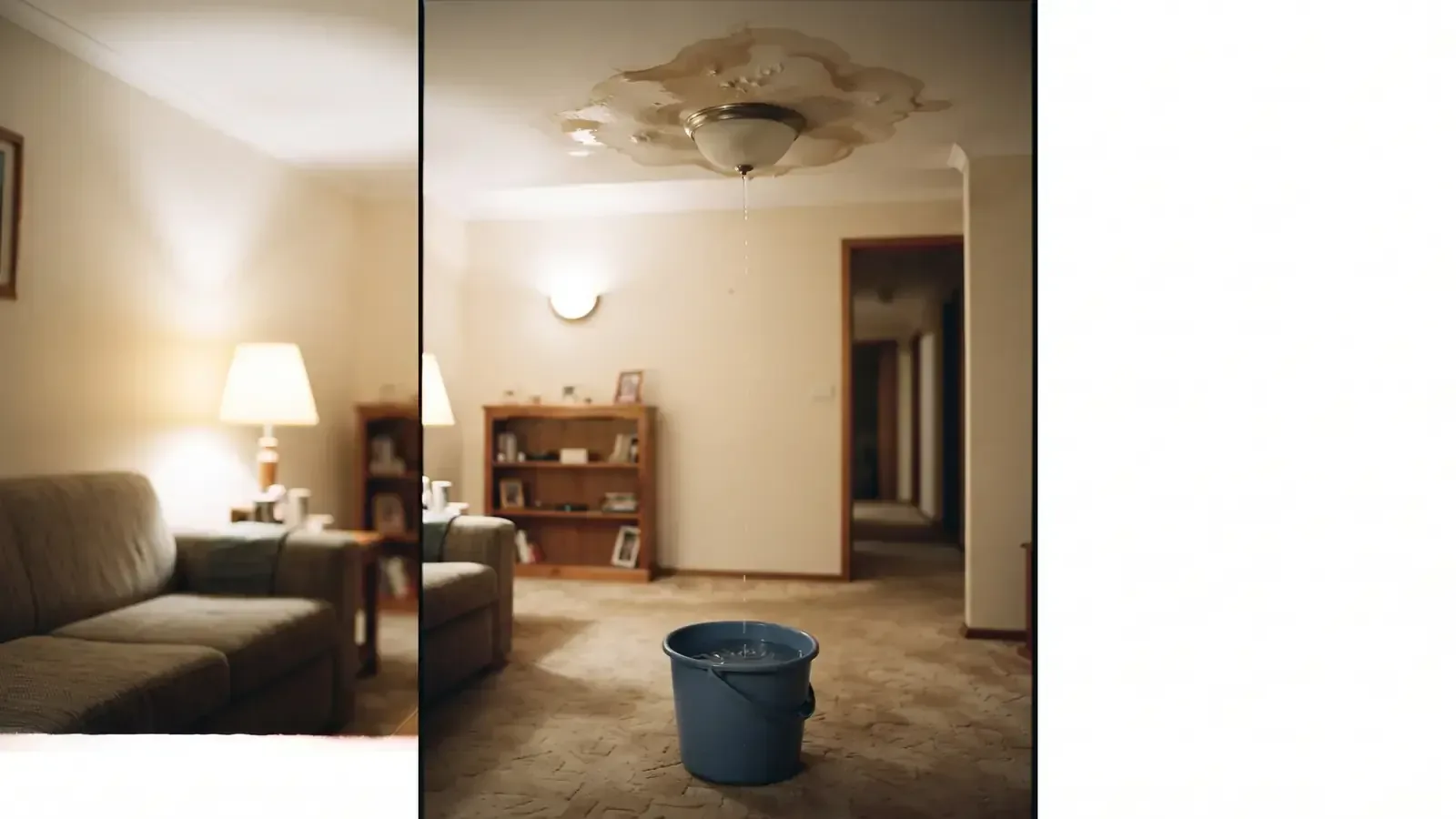 06
06Hydro Jetting - $350 - $800 on a main
Branch lines $250-500.
See the job
Want a figure on it?
The rate before we travel, and a fixed figure in writing before any work starts.